Inside the critical window that defines recovery when the worst happens.
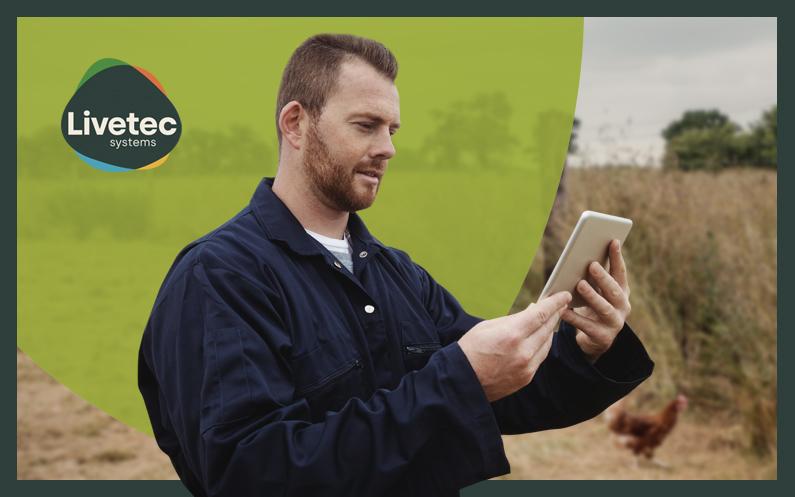
When disaster strikes on farm, every second feels like an eternity. Phones ring. Gates close. People freeze. But as James Baxter, Chair of BFREPA and a working egg producer, told our audience during Livetec’s “When the Worst Happens” webinar: “In peacetime, it’s easy to talk about what you’d do. But when it happens, you’re a rabbit in the headlights.”
The first 24 hours after a disruption whether an outbreak, flooding, or infrastructure failure can determine the scale of loss and the speed of recovery.
So, how can farmers turn panic into purposeful action when the unthinkable happens?
- Start with a plan you already know
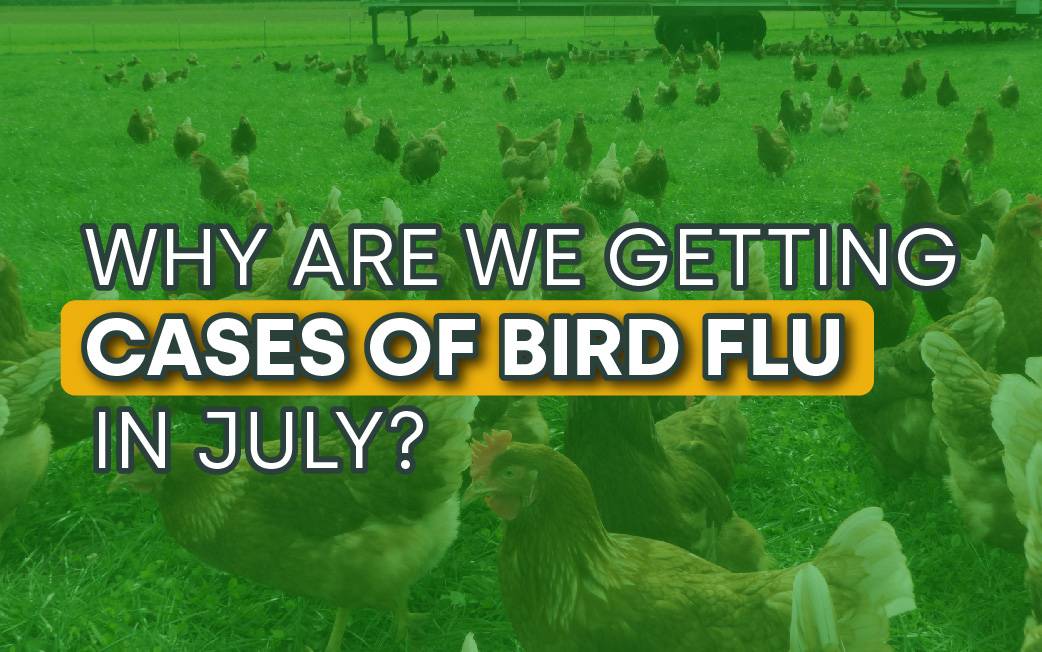
Preparedness is more than prevention; it’s the comfort of knowing what to do next. Baxter’s family had invested in a Livetec contingency plan, and when bird flu struck, that document became their lifeline. Before APHA inspectors even arrived, they had their data ready, their routes sealed, and their team briefed.
“We knew where the lines of biosecurity were, where lorries should go, even where the toilets would be. That clarity saved time, stress, and welfare.”
Simply having a written plan discussed in advance transforms chaos into coordination.
- The golden hour: lock down and communicate
Within minutes of confirmation, communication is critical. Julian Sparrey, Livetec’s Group Technical Director, calls this “the golden hour.”
“Immediate action can make or break recovery, cancel feed and egg collections, lock the gates, and inform key partners right away.” Even small delays can lead to serious consequences. Speed protects animal welfare, limits spread and gives inspectors the information they need to act fast.
- Gather data digitally
During a crisis, paper records scatter and stress rises. Digital data from feed logs to vehicle movements, saves precious time. “When inspectors arrive,” Julian advises, “having everything to hand reduces investigation time and mental stress.” Livetec’s Livestock Protect Platform helps consolidate these records, giving producers one place to store and share the information APHA will request.
- Rehearse before you need to
Resilience grows through repetition. Running mock scenarios or “table-top” drills helps staff rehearse responses until they become instinctive. Even the conversation “What would we do if it happened tomorrow?” builds confidence and calm.
- From panic to purpose
What defines resilient farms isn’t luck, its preparation, practice, and partnership. Those who have a plan recover faster, protect their people, and maintain consumer trust.
Take Action
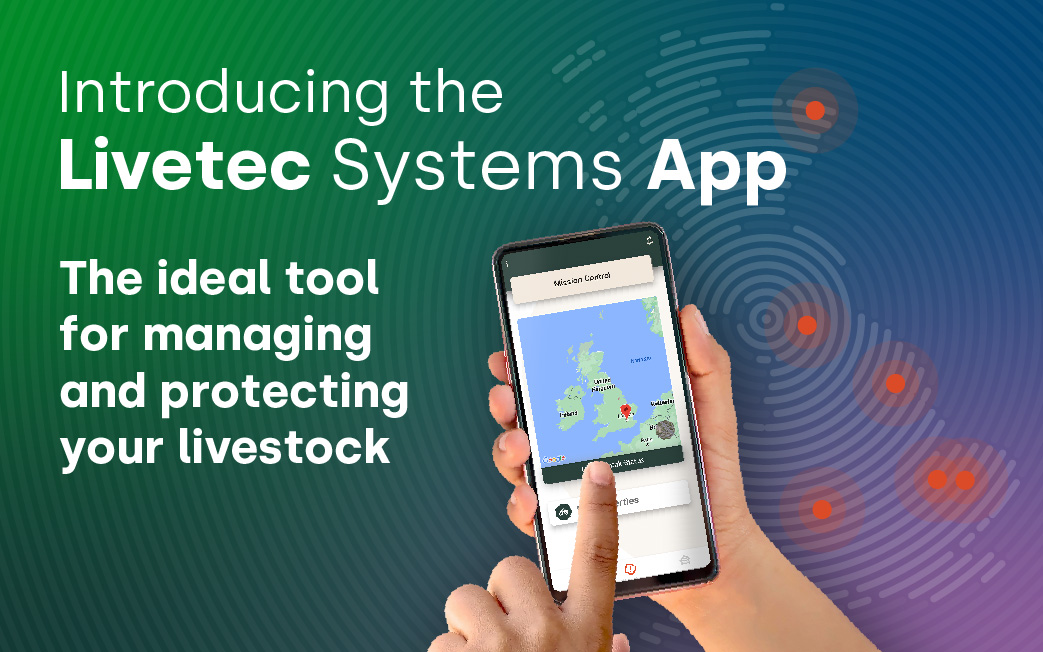
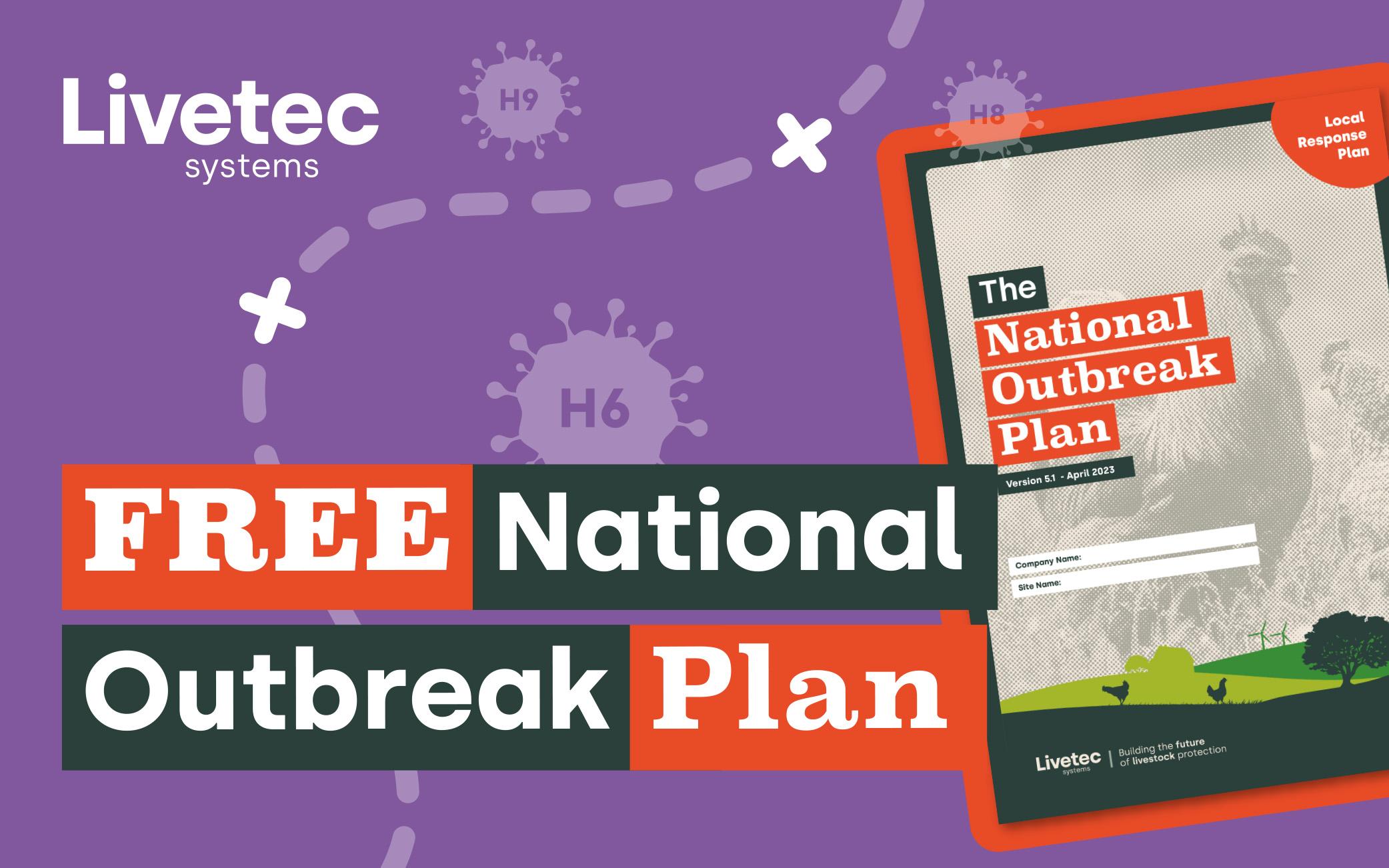
Download the FREE National Outbreak Plan via the Livetec Protect App and make your first 24 hours count.