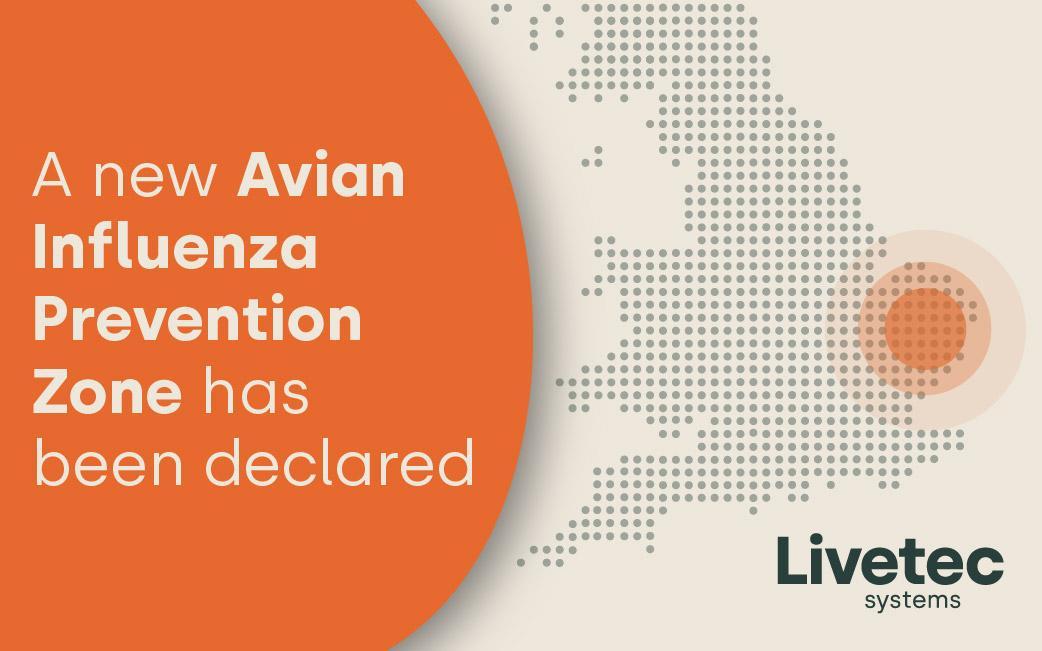
With several confirmed cases of Avian Influenza (bird flu) since 1st November, the UK Chief Veterinary Officer has announced mandatory housing measures for all of England, effective from on Thursday, 6th November 2025.
This decision follows a sharp rise in outbreaks among both kept and wild bird populations. The new housing order applies to all bird keepers with more than 50 birds, as well as those who sell or give away eggs or poultry products.
At the same time, a Great Britain–wide Avian Influenza Prevention Zone (AIPZ) remains in force, requiring all keepers – from commercial producers to backyard flocks – to maintain strict biosecurity standards.
What the Housing Order Means
From 6th November 2025:
- All poultry and captive birds must be housed or otherwise kept separate from wild birds.
- Keepers with more than 50 birds or who sell or give away eggs or birds are legally required to comply.
- These measures are designed to protect flocks by reducing direct and indirect contact with infected wild birds.
As Chief Veterinary Officer Christine Middlemiss explained:
“Given the continued increase in the number of avian influenza cases in kept and wild birds across England, we are now taking the difficult step to extend the housing measures to the whole of England.
I appreciate the impact these measures have on industry and am extremely grateful for the continued cooperation of the poultry sector. We know from previous years that housing birds will bring the rates of infection down from the high we are currently experiencing.”
Richard Griffiths at British Poultry Council says, “This is the right move at the right time. Housing is an added layer of protection that strengthens our ability to keep food moving and uphold confidence in British poultry. While this provides reassurance for producers in England, we are calling for a consistent GB-wide housing order. This plus stringent biosecurity will put the sector in the best position possible as we move through this high-risk period.”
Biosecurity: Keep It Tight, Keep It Simple
Every bird keeper – whether they manage commercial units, are small scale (keeping birds to help generate and supplement incomes) or just keep a few birds as a hobby/lifestyle choice – plays a vital role in stopping the spread of bird flu.
Here are 8, high-impact biosecurity practices to protect your birds whilst inside:
- Ensure that all live bird areas are kept free of any dirty water ingress from outside. Gutters must all work effectively and outside water must not be allowed to seep under doors or through walls or the roof into the live bird area.
- Do not enter live bird areas in footwear worn outside of the poultry building. Always change footwear on entry to the building. Clean and disinfect any equipment or sundries that are taken into the live bird area. When working in multiple buildings ensure that footwear and any other PPE worn is dedicated to that building only.
- Control vermin – Maintain and proof buildings to ensure vermin (and birds) cannot get into the live bird area. Remove any vermin harbourage near to buildings and use baits/traps when vermin persist to try to access the buildings.
- Deter wild birds from the site by cleaning up spilt feed and limiting access to any open water bodies on site. Use scarers, streamers, or reflective tape to keep wild birds off or away.
- Keep trafficked areas around the poultry buildings clean and pothole/puddle free. Regularly maintain and disinfect these trafficked areas.
- Limit visitors and vehicle movements to site to only what’s essential. Where possible, minimise the number of movements into and out of poultry buildings.
- Maintain disinfection capability at all entry and exit points including boot dips and vehicle cleaning/disinfection equipment. Ensure disinfectants are mixed to the correct concentration and boot dips are replenished according to the manufacturer’s recommendations or sooner if the liquid gets dirty.
- Monitor production and bird health daily. Changes to predicted bird weights, egg production, water and feed intakes can give early indications of problems. – Report any concerns or signs of illness immediately to the Animal and Plant Health Agency (APHA).
It’s these everyday actions/habits that make the biggest difference.
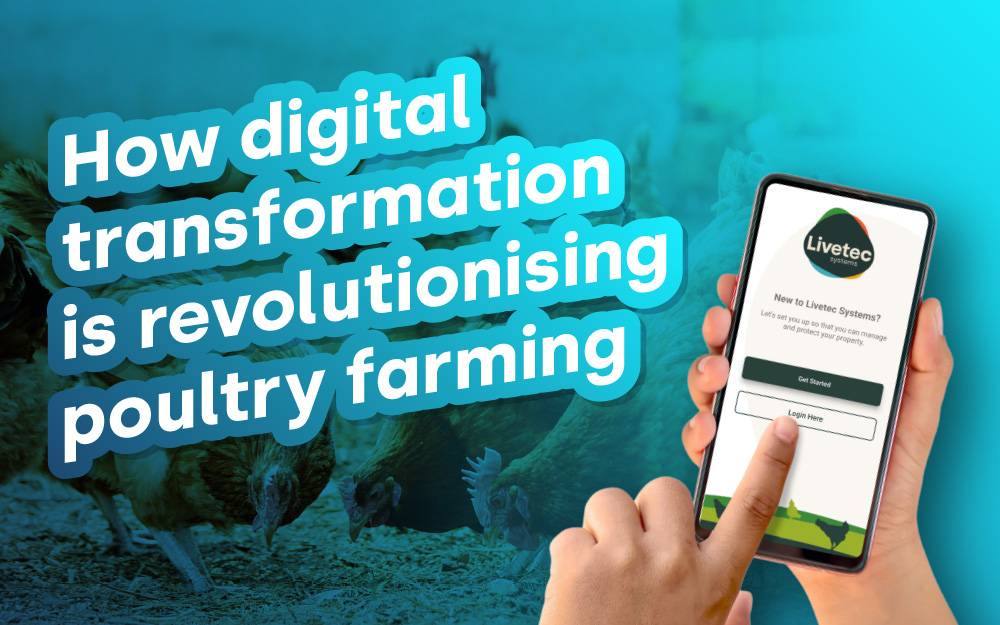
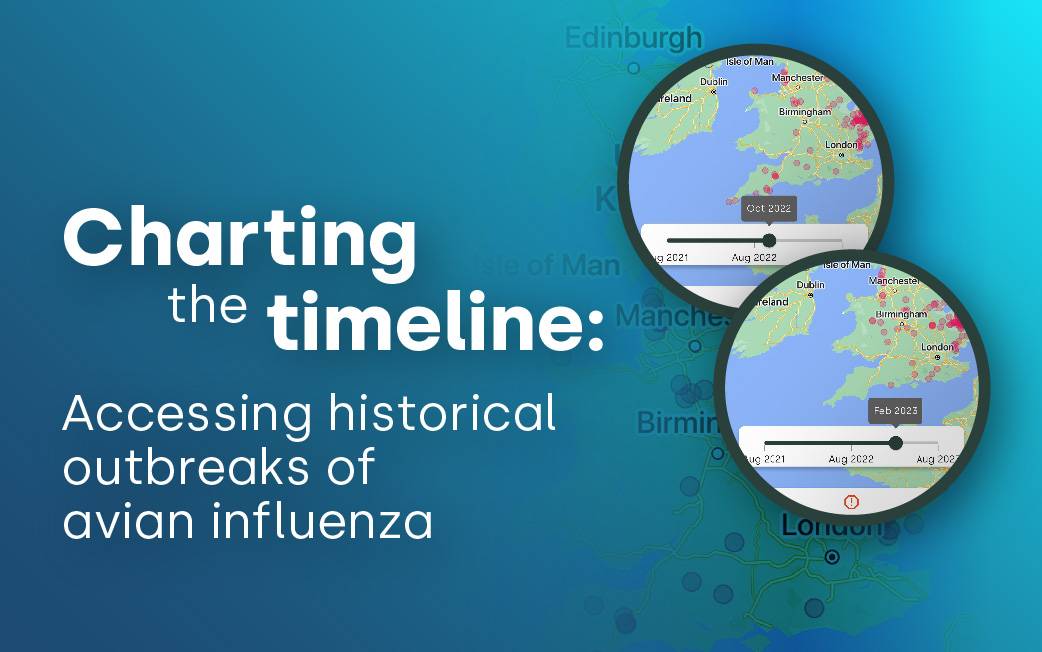
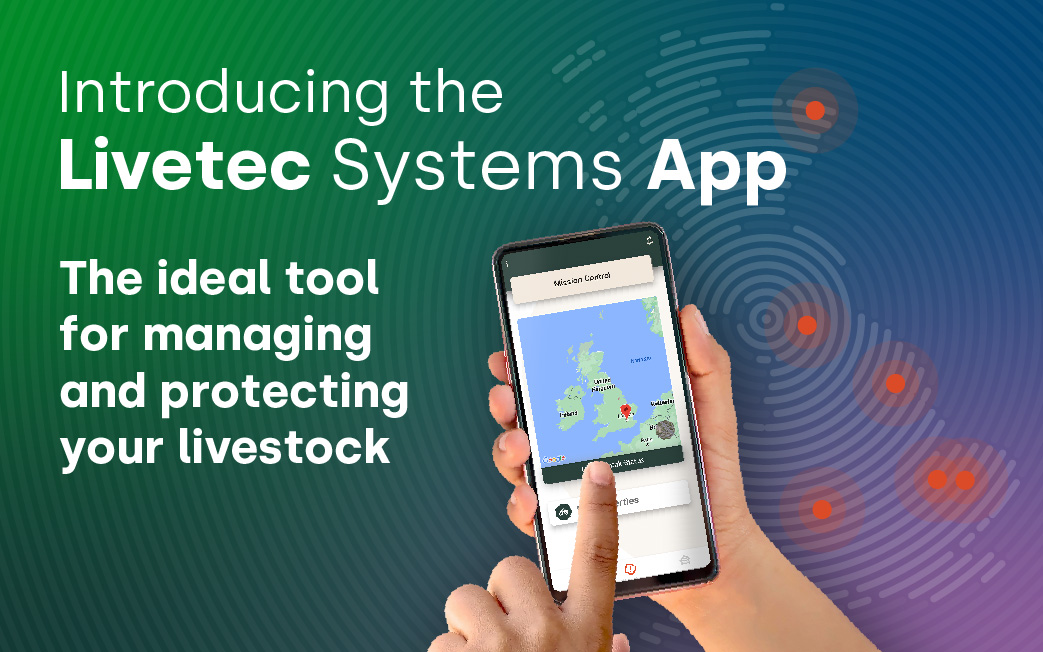
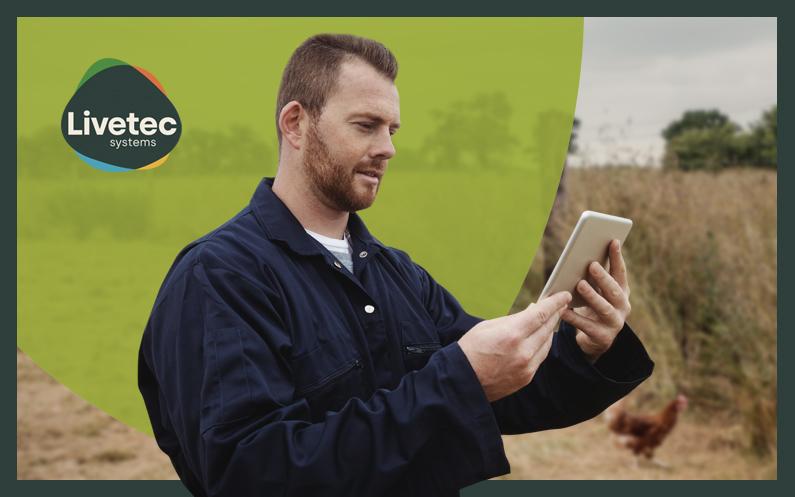
Avian influenza can spread fast. The best way to stay one step ahead is to get real-time alerts as new outbreaks are confirmed.
Download the free Livestock Protect App (available on iOS and Android) to:
- Receive instant notifications of new AI outbreaks in your area.
- Check disease zones and restrictions with interactive maps.
- Monitor where wild birds with AI are being found.
- Access latest guidance and best-practice checklists for poultry biosecurity.
With the Livestock Protect app, you’ll know the moment new measures are introduced so you can act fast to protect your birds.
Download Livestock Protect now on the App Store or Google Play to stay informed and stay compliant.
This winter, we all have a role to play in protecting our flocks. The housing order and AIPZ will remain in place until further notice, under ongoing review by government and veterinary authorities.
Let’s work together – commercial farms, small scale, and backyard keepers alike – to keep the poultry sector safe and resilient.
Stay alert. Keep your birds safe. Safeguard your business.