Even the best biosecurity can’t make a farm invincible. From avian influenza to flooding, power loss, or supply chain shocks, every poultry business is one unexpected event away from serious disruption. But when that moment comes, the speed and quality of your response decides whether your business recovers or unravels.
That’s what we explored in our latest webinar, “When the Worst Happens: How to Protect Flocks, Futures, and Operations.” Hosted by agriculture journalist Michael Barker, the session brought together Julian Sparrey (Livetec Group Technical Director), Dr Jess Martin (Animal Welfare Specialist), Sam Jones (General Manager of Production, Aviagen Turkeys), and James Baxter (Egg Producer & BFREPA Chair) for a discussion on resilience when the stakes are highest.
The resilience gap: Why preparedness alone isn’t enough
“We all talk about prevention,” Julian Sparrey explained, “but zero risk isn’t realistic.”
For him, resilience isn’t a policy document, it’s a mindset and a practiced plan.
In just 30 days, Livetec have supported 15 of the last 27 UK outbreaks, giving the team a front-row view of what separates quick recovery from longer periods of downtime. Julian’s advice was simple but powerful: even the act of creating a written action plan mentally prepares teams for crisis. It’s not just paperwork. It’s the process of rehearsing what will happen, who does what, and how data is shared that turns panic into purposeful action.
Lessons from the front line
Few people understand “the worst” like James Baxter, whose family farm became an infected premises (IP) in early 2023. “In peacetime it’s easy to talk about what you’d do,” James recalled, “but when it happens, you’re a rabbit in the headlights.”
His team’s saving grace was a Livetec contingency plan, a ready-to-go roadmap that told them exactly who to call, which gates to close, and what records to prepare before inspectors arrived. That hour of preparation saved precious time and reduced stress when every minute mattered.
Similarly, Sam Jones emphasised the human side of response: getting the team together quickly, keeping communication clear, and leading with calmness. “Your staff take their cue from you,” he said. “You can’t let frustration or fear lead the response.”
Animal welfare: The thread that holds everything together
“Animal welfare is what actually holds everything together,” said Dr Jess Martin.
“It’s what we’re protecting in these situations and when we protect the birds, we also protect the people caring for them.”
Jess and Julian both described the One Welfare approach, the idea that the welfare of animals and humans are interconnected. A well-planned, humane emergency response reduces suffering for birds while also safeguarding staff from the trauma seen in past crises like foot-and-mouth.
For welfare to remain central under pressure, farms must plan for both speed and good communication:
- Rapid containment to limit disease spread.
- Thought-out depopulation protocols that meet humane standards.
- Training that gives workers confidence in their role when the unthinkable happens.
Resilience in practice: People, process, and partnership
Real resilience isn’t a checklist, it’s the sum of good preparation, leadership, and support.
Key takeaways from the panel included:
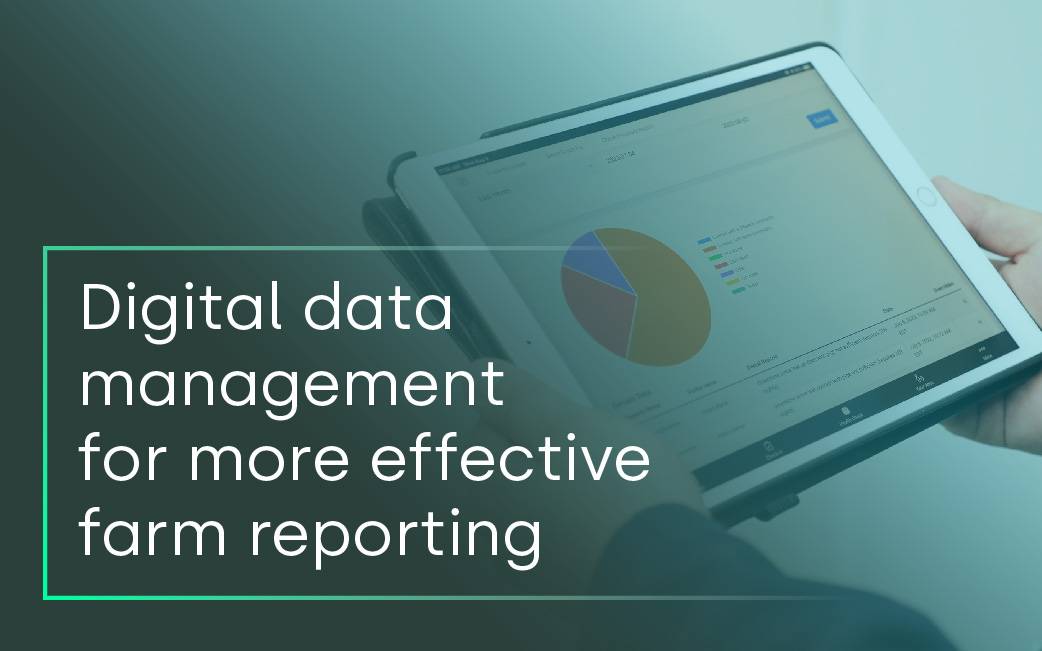
- Collect digital records – easily shareable data reduces investigation delays and stress.
- Train teams in advance – don’t wait for a crisis to assign roles or responsibilities.
- Look after people as much as birds – emotional well-being affects on-farm decision-making.
- Partner with experts – external support from Livetec and others keeps operations compliant and humane.
- Test your plan – run “what if” scenarios before you need them.
As Julian put it: “Take the time now to sit with your staff and ask, what will we do if the worst happens? That conversation alone builds resilience.”
The future of resilient farming
Looking ahead, the panel agreed that response planning will soon be an expectation, not an option. Retailers, insurers, and consumers increasingly demand proof that farms can respond responsibly. In 2026 and beyond, resilience will mean not just surviving an outbreak or crisis but demonstrating leadership, ethics, and care in how it’s handled.
As Dr Martin concluded: “Having a plan isn’t just operationally smart, it’s ethically essential.”
Your partner in preparedness and response
Livetec has spent 15 years helping poultry producers turn policy into action from emergency planning and biosecurity audits to on-the-ground support during outbreaks.
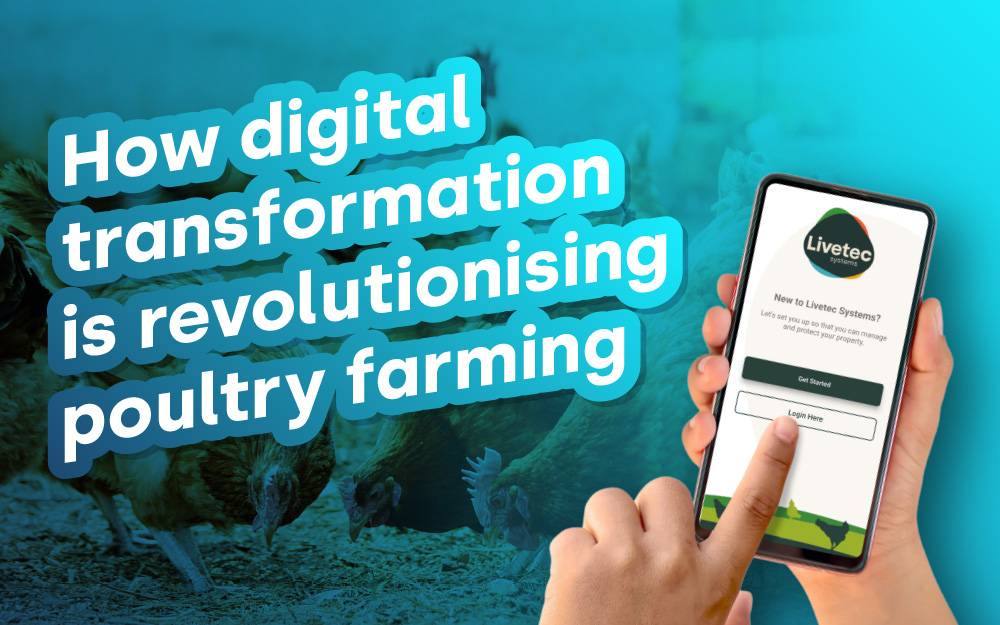
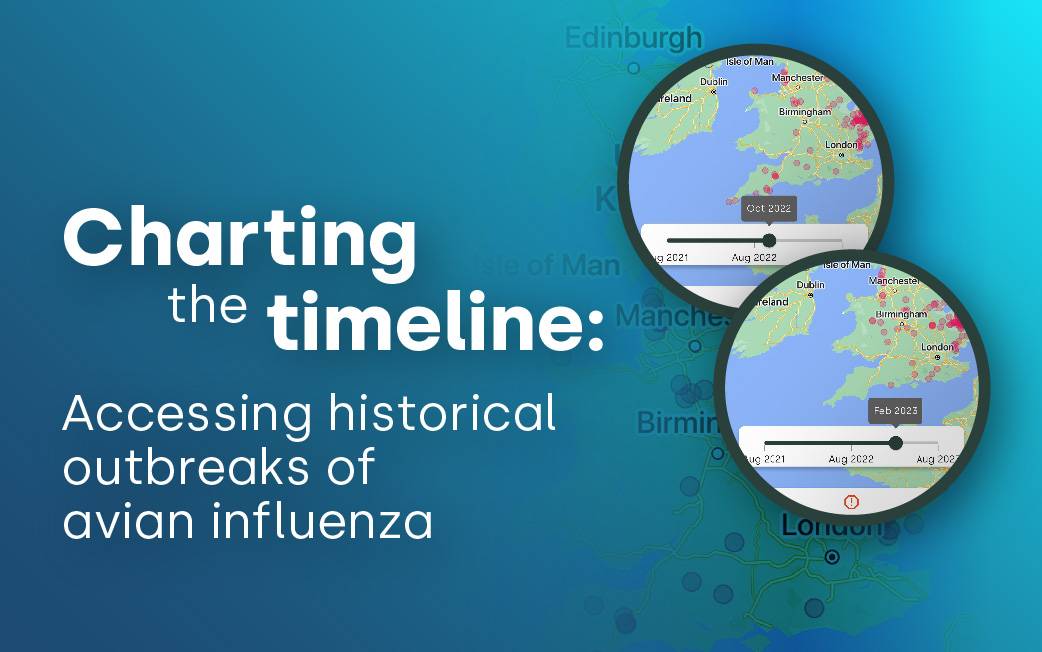
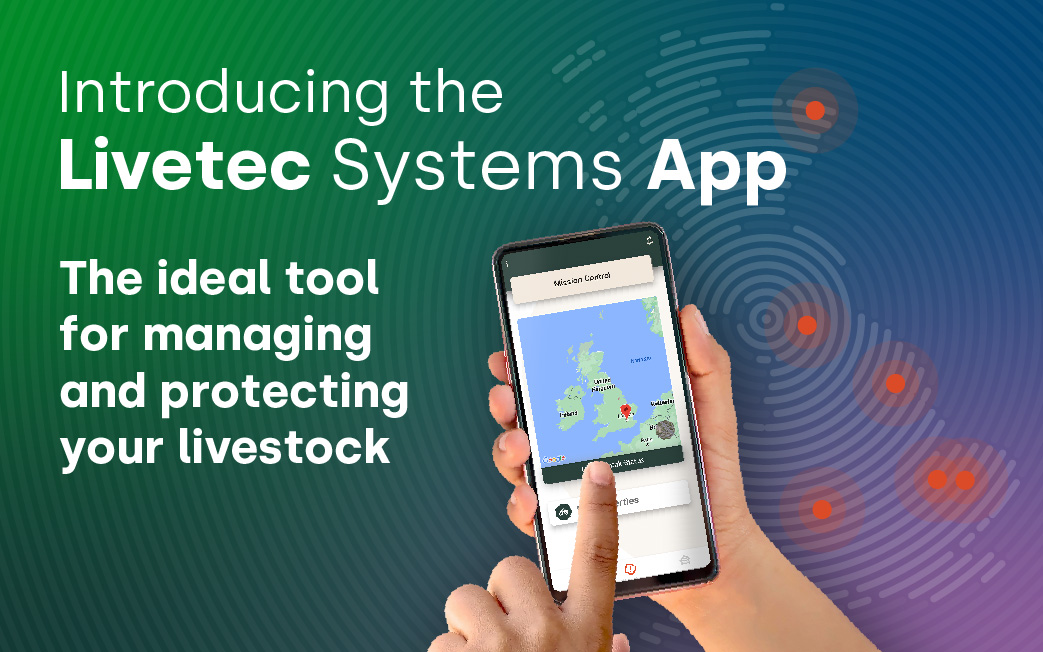
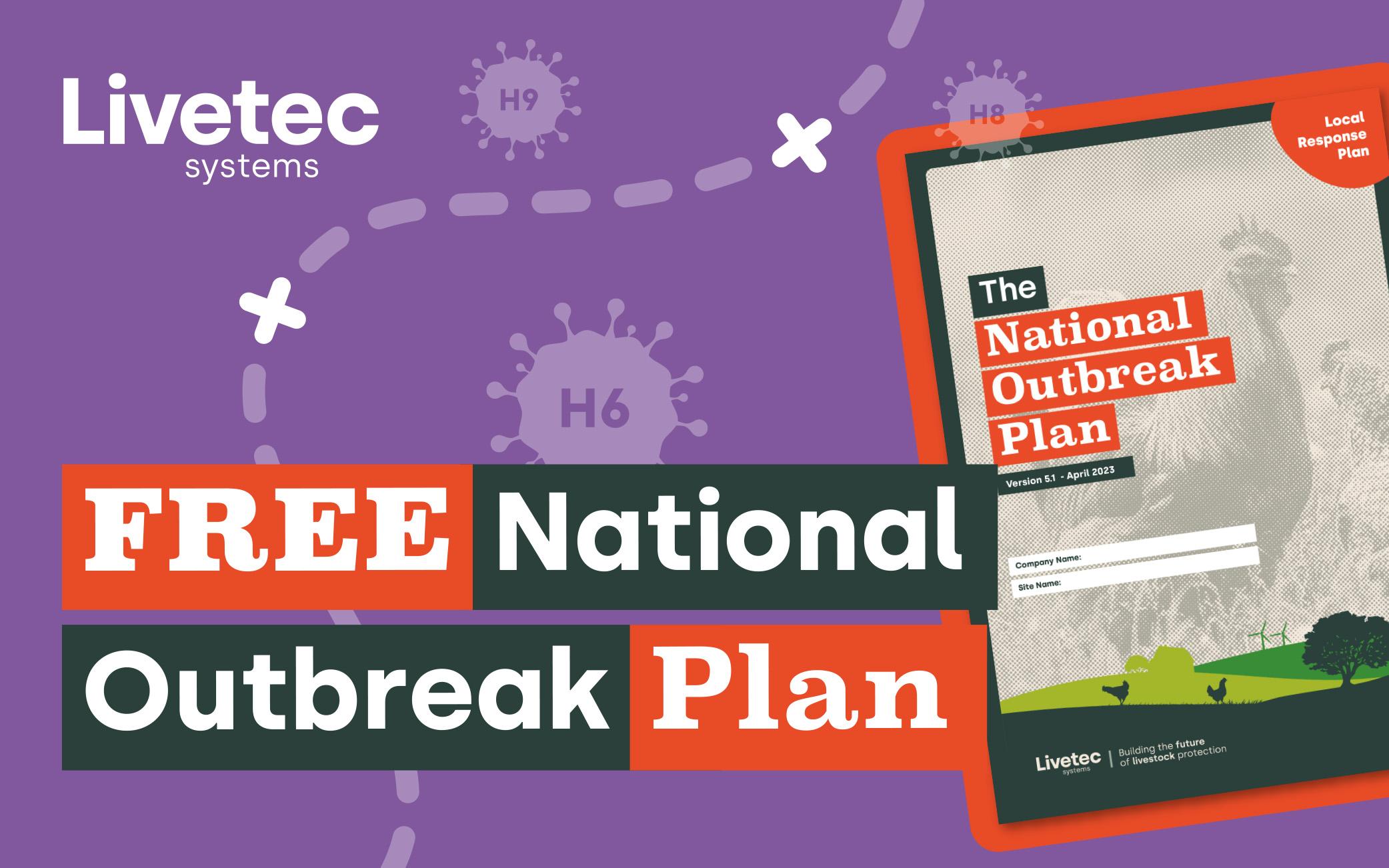
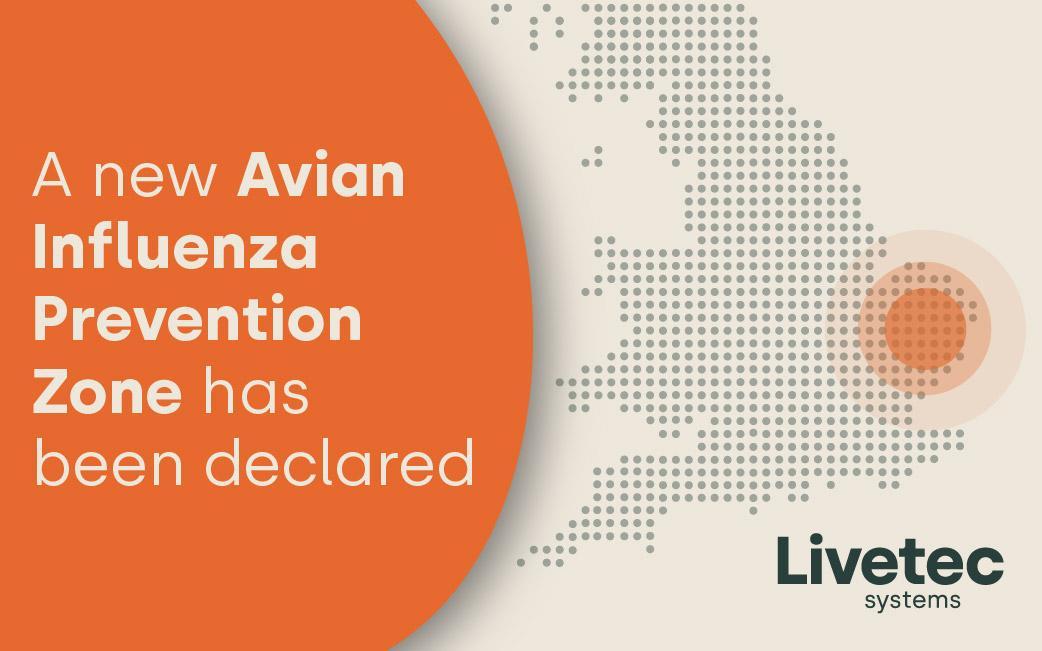
Through the Livestock Protect App, producers can now access the National Outbreak Plan, for free, offering guidance on disease control zones, and step-by-step licensing information to keep farms running safely. When the worst happens, be ready.
Download the Livestock Protect App or contact our team to review your contingency plan and safeguard your flocks, futures, and operations.