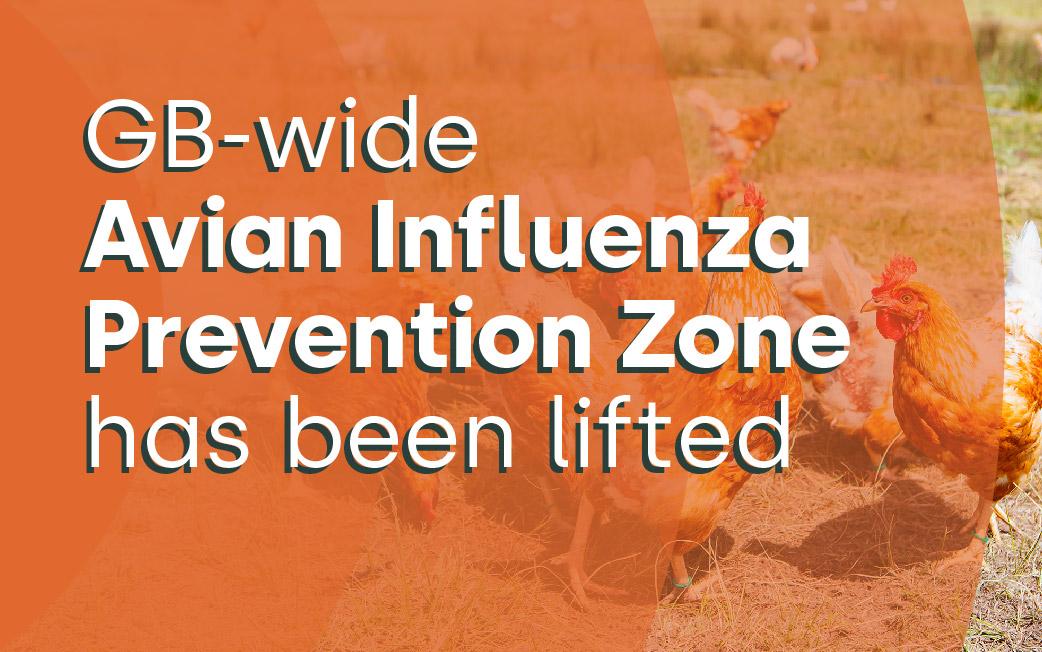
As mandatory housing measures for poultry and other captive birds are lifted across England and Wales from 00:01 on Thursday 9 April 2026, producers face a critical transition period. After months of housing, the move back to outdoor access is not simply a case of opening pop holes, it requires careful preparation to minimise any ongoing avian influenza risk.
Dr Paul Talling, Biosecurity Advisor at Livetec Systems, is urging keepers to take a practical, biosecurity led approach. While the easing of restrictions reflects reduced risk levels, the threat of disease has not disappeared, and poor preparation could quickly undo months of vigilance.
With a seven-day notice period in place, keepers have a valuable window to get their sites in order. Dr Talling highlights three priority areas that should underpin every preparation plan, vermin control, water management, and thoroughly assessing both the range and the immediate surroundings of sheds.
- Get on top of vermin, starting at the sheds
One of the biggest risks comes from areas that may have been neglected during the housing period. Verandas, slatted areas and spaces around sheds can quickly become hotspots for vermin activity.
“There is a real chance vermin populations have built up outside and once you open pop holes, that problem escalates very quickly.” says Dr Talling.
Vermin are a known vector for disease, capable of carrying infection from other locations directly into poultry environments. Immediate, robust control measures are essential, particularly in areas closest to the sheds where birds will initially congregate.
- Eliminate standing water and manage wet areas
Water is a critical but often underestimated risk factor. Avian influenza virus can persist in wet conditions, making puddles, boggy ground and standing water potential sources of infection.
“Any puddles or wet areas need sorting or fencing off,” Dr Talling advises. “You do not want birds accessing those areas.”
Keepers are encouraged to fence off ponds or standing water before allowing birds outside. As ground conditions improve into spring and summer, these risks will reduce, but in the short term, proactive management is essential.
Check buildings for damaged or leaking gutters and repair as a priority if any discharged roof water is not being effectively removed from the pop hole and immediate range areas.
- Walk the range, do not assume it is safe
Before birds are reintroduced to the range, Dr Talling stresses the importance of physically inspecting the entire area.
“You need to properly walk your range,” he says. “Make sure there are no dead birds, other carcasses or detritus hid in the grass. Ensure there’s nothing in there that could harm your birds.”
This step is critical. Undetected carcasses can harbour disease, and simply mowing or topping the range beforehand may actually make the situation worse by concealing these hazards.
“If you mow first, you can end up hiding problems under clumps of cut grass and birds will naturally be attracted to scratch about in those areas,” he explains.
A thorough spring clean of the range, combined with checks for fencing/gate integrity and predator access, should be standard practice before reopening.
A cautious return to the outdoors
While there may be external industry pressures to encourage birds back outside quickly, Dr Talling advises a more measured approach on farm.
“Do not stress if birds do not go out immediately,” he says. “Your bird’s welfare will always be best served by allowing them to transition to outside ranging at their own pace. As their keeper, you just need to give them the opportunity.
Very Importantly, keepers must avoid knee jerk reactions such as placing feed or water outside just to entice birds out, as this will certainly attract wild birds and vermin and significantly increase risks to your flock’s biosecurity,
Biosecurity remains non-negotiable
Although housing measures are lifting, mandatory biosecurity requirements remain in place across England, Scotland and Wales. Birds must still be housed in designated protection or monitoring zones, and vigilance remains essential.
“Regardless of zones or where you are, stay alert,” Dr Talling concludes. “Watch your birds closely, monitor for any unusual mortality, abnormal behaviour or lower feed/water intakes, and do not assume the risk has gone away just because restrictions have eased”
As the sector transitions back to outdoor systems, success will not depend on how quickly the birds go outside but the preparation and maintenance of the environment that you are letting them into. By prioritising vermin control, managing any water related risks and thoroughly checking the range before birds are let out, keepers can continue to safeguard their flock’s health.