Livetec recently attended the IPC Annual Meeting 2026 in Atlanta during IPPE week, with Group Technical Director Julian Sparrey taking part in a panel discussion focused on avian influenza, animal health and the One Health agenda.
Despite reduced attendance due to travel disruption and weather conditions, the meeting provided valuable opportunities for in depth discussion across policy, research and industry. A recurring theme throughout the event was the need to move beyond reactive disease response and towards long term prevention and resilience.
Avian influenza in a changing global context
The wider conference programme highlighted the increasingly complex global landscape in which animal health operates. With growing geopolitical uncertainty and pressure on food security, disease resilience is no longer simply a technical issue. It is a strategic priority.
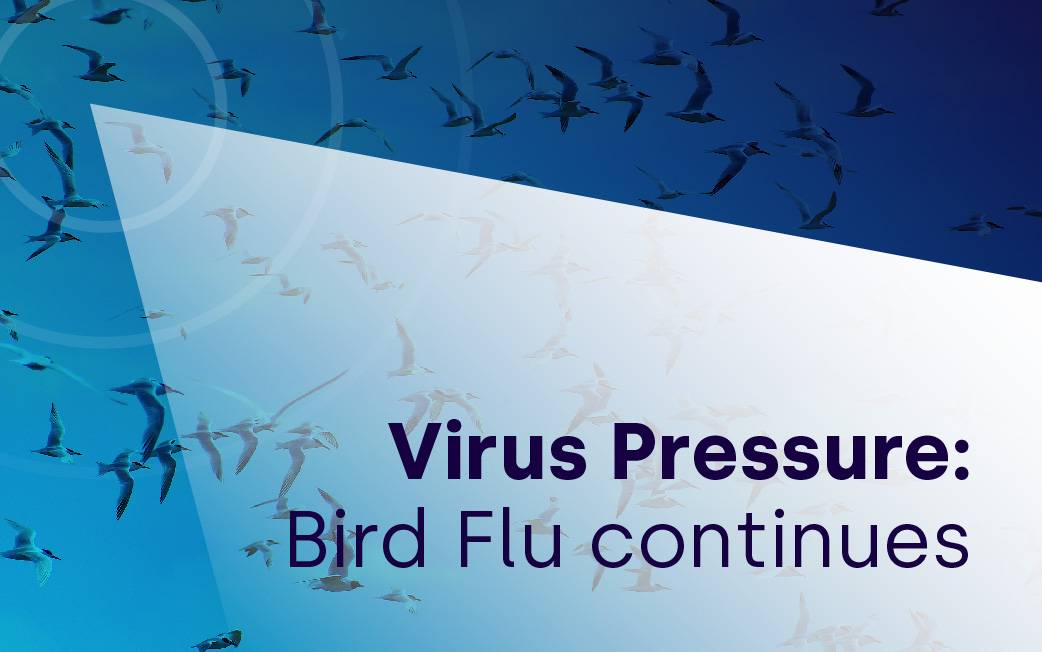
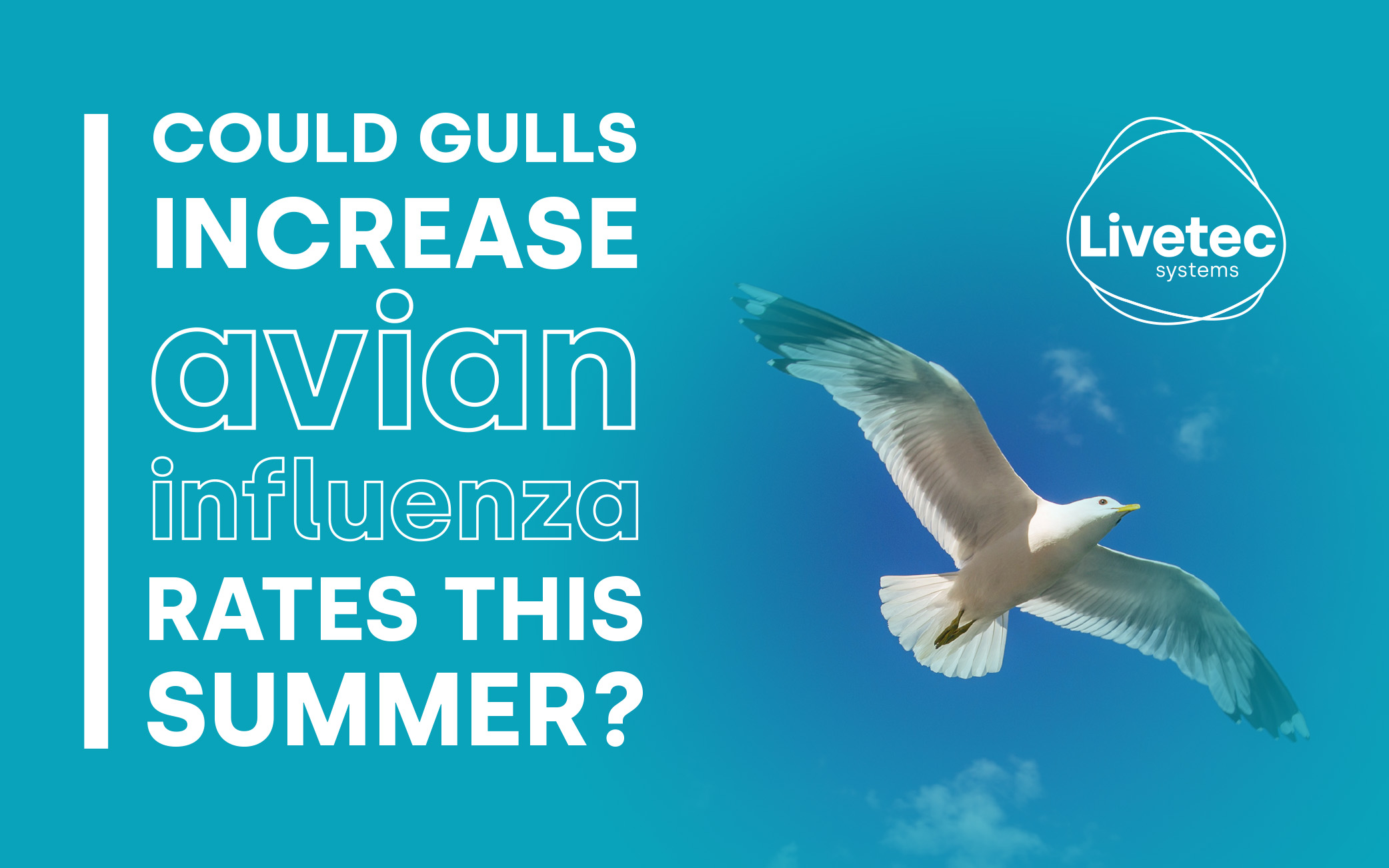
Highly pathogenic avian influenza is now endemic in wild birds in many regions. Seasonal peaks continue to occur in commercial poultry, but the virus persists year-round. This reality challenges the sustainability of continual emergency response, particularly where large scale depopulation remains the default tool.
The role of data in understanding disease risk
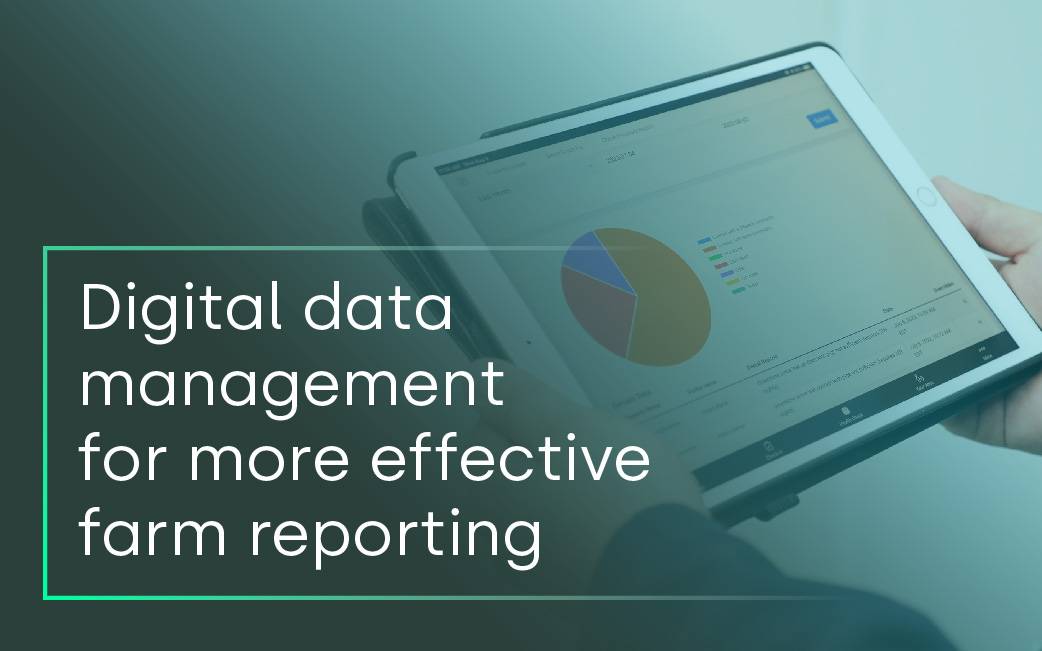
During the panel discussion, Livetec shared its perspective on the importance of data driven disease understanding. By combining outbreak records, wild bird mortality data, wild bird movement patterns and digital traceability, it is possible to build a clearer picture of how avian influenza reaches farms.
This approach shifts the focus from reacting to outbreaks towards identifying and reducing the most significant sources of risk. Understanding wildlife movement, including the role of species that travel widely or are difficult to monitor, is a key part of that process.
Emerging discussions around viral genotyping also highlight the need for faster information sharing. Changes in genotype can influence which species are affected and how the virus behaves, making timely data essential for proportionate and effective decision making.
Supporting welfare and proportionate response
Better data does not only improve disease control. It also supports animal welfare by enabling more targeted interventions and reducing unnecessary depopulation. Providing producers and regulators with clearer intelligence helps ensure that action is taken when it is genuinely required, rather than as a precaution driven by uncertainty.
These themes were echoed during a separate workshop hosted by the International Poultry Welfare Alliance, which explored how the industry can better anticipate emerging welfare expectations and communicate science-based decision making more effectively.
Building resilience for the future
The discussions at IPC 2026 reinforced the need for a strategic shift in how avian influenza is managed. Prevention, preparedness and proportionality must sit at the centre of future disease strategy.
Livetec continues to work with producers and industry partners to translate complex data into practical insight, supporting earlier warning, better decision making and a move away from continual crisis response.
As avian influenza remains a long-term challenge, collaboration, technology and evidence based approaches will be critical in building a more resilient future for the poultry sector.
Get in touch
Prevention, preparedness, and proportionate response are central to future poultry health. Get it touch today to learn how our insights and data-driven approach can help your business reduce risk, improve welfare, and build resilience.