By Julian Sparrey, technical director at Livetec Systems
So far this season, 100 confirmed cases of Avian Influenza (AI) have been reported across the UK, with outbreaks spanning from West Wales to East Anglia and as far north as the Scottish Borders, across a range of operations.
As we move out of the typical ‘high-risk’ period and into the spring and summer months, it’s tempting to assume the worst is behind us. However, as recent weeks have shown, while AI follows seasonal patterns, it can no longer be treated as a ‘seasonal’ issue, there’s always a level of risk.
We saw outbreaks in August last year, which is a stark reminder that AI doesn’t just disappear when temperatures rise.
What makes AI so challenging is not just its prevalence, but the number of unpredictable factors that influence its spread, from shifting weather patterns, bird migration and changing virus genotypes. These variables can catch producers out, which is why vigilance and proactive disease management must be maintained throughout the year, not just during the high-risk period.
Year-round prevention
Culling affected birds once an outbreak occurs has been the default response. While this response is necessary to control the disease, it is not a sustainable strategy – for animal welfare or for business resilience.
Instead, the focus must now shift to prevention. Rather than waiting for an outbreak to happen, consistent planning and proactive biosecurity measures should be incorporated into everyday operations – not just during high-risk periods.
The warmer months provide an ideal window to address potential weaknesses before the next peak season. This proactive approach allows producers to identify vulnerabilities and take steps to reduce risks.
For example, regular biosecurity assessments should be conducted throughout the year, not just during the high-risk season.
Don’t assume that because an assessment was conducted a few months ago, there are no new vulnerabilities to address. Regular checks are essential to identify outstanding weaknesses.
Check the structural integrity of your sheds, assess entry points, and also examine areas outside the sheds where puddles may form after rain. Small cracks in buildings, for instance, can provide entry points for water ingress or rodents, which may contribute to the spread of AI and other pathogens.
By adopting the 4 Ps – prediction, planning, prevention and preparedness – throughout the year, producers can reduce the likelihood of outbreaks.
Continued contingency planning
If AI is suspected or confirmed on a unit, the ability to respond quickly can make a significant difference to how quickly the business can move forward, and how operations recover and resume operations.
Alongside strengthening day-to-day biosecurity, producers should regularly review their contingency plans to ensure key site information, outbreak procedures, and responsibilities are updated and easily accessible.
Data use
As we move beyond the typical high-risk period, we cannot afford to let our guard down. The unpredictability of factors contributing to the ongoing AI risk is what will catch us out.
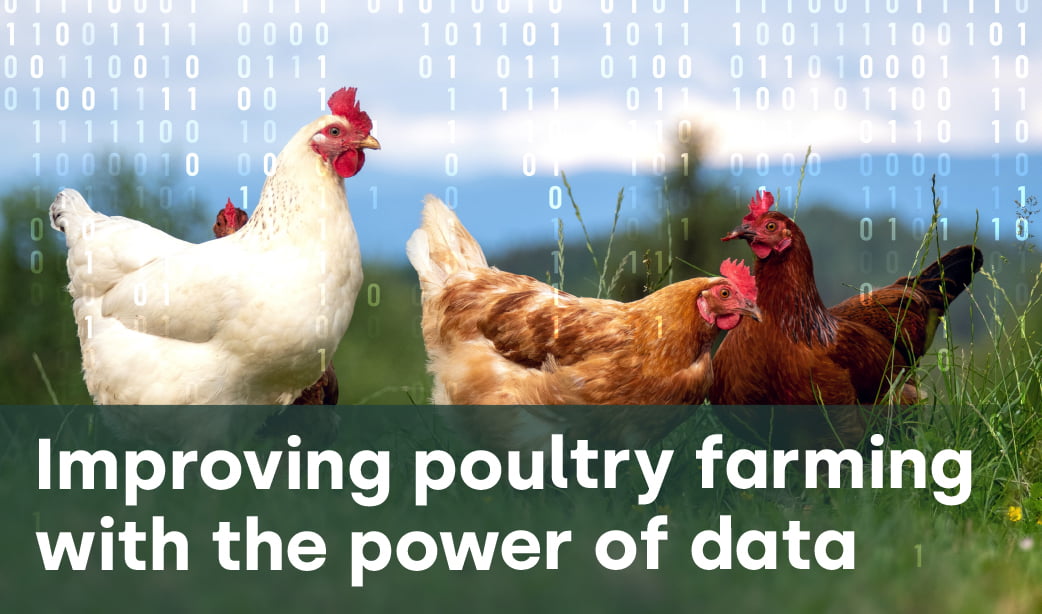
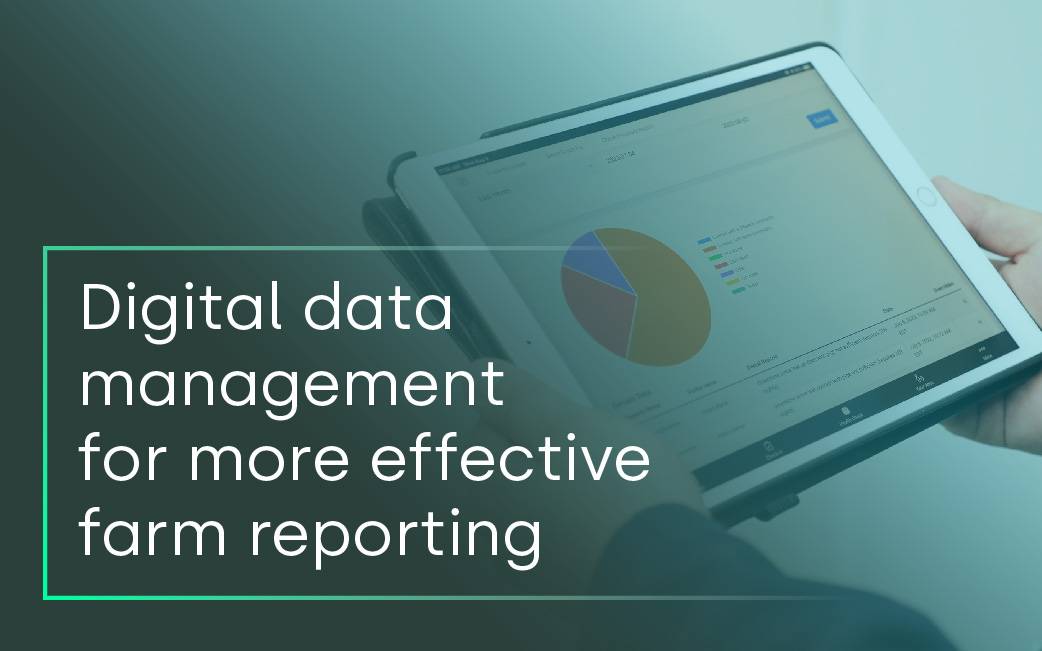
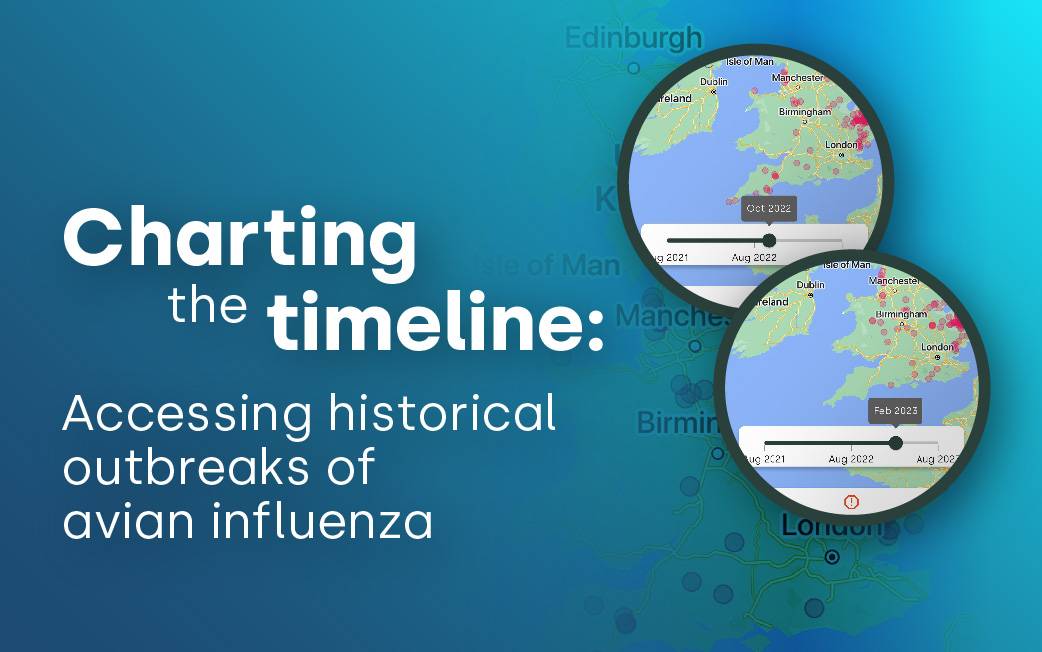
At Livetec, we are leveraging the data available to predict and inform producers when AI risks may escalate. I would urge all producers to continue tracking AI risks using digital platforms, like Livetec’s Livestock Protect over the spring and summer months and to not take their foot off the gas.
Proactive biosecurity, informed by regular assessments and the use of data-driven tools, is essential in minimising the risks of AI throughout the year.