With avian influenza continuing to threaten poultry units across the UK, proactive emergency response planning and robust biosecurity should be embedded in daily routines to enable a faster response and support a quicker return to production, says Neal Samet, general manager of Livetec Systems.
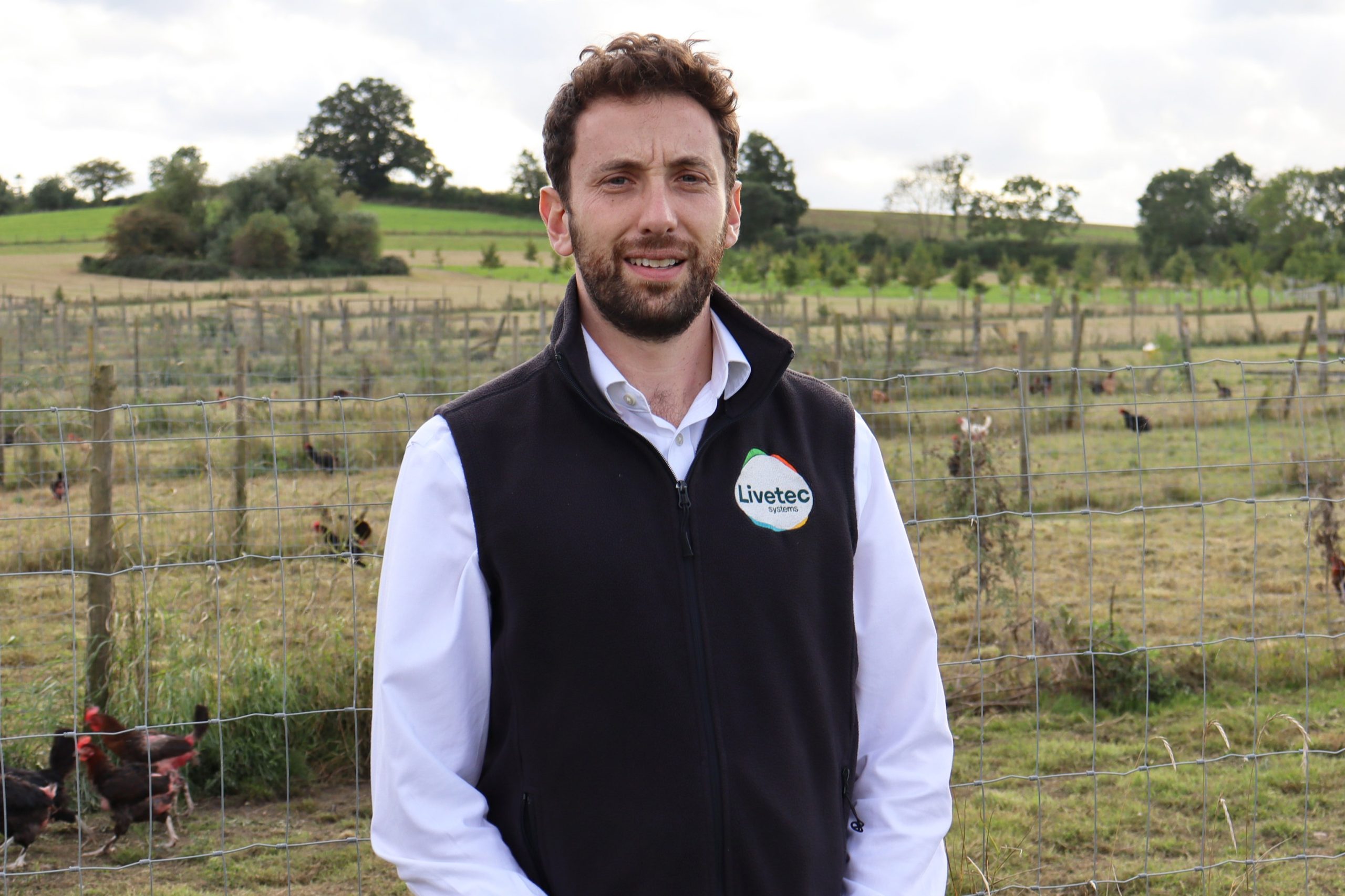
Recent avian influenza (AI) outbreaks across both backyard and commercial flocks highlight the ongoing threat and reinforce the need to prioritise contingency planning, says Mr Samet.
To date, the 2025–26 season has seen 95 cases of highly pathogenic avian influenza (HPAI) H5N1 across Great Britain.
“As we move into spring, producers shouldn’t become complacent,” says Mr Samet.
“While avian influenza follows a seasonal pattern, it can still behave unpredictably, and the risk doesn’t disappear outside the peak winter period.
“Free-range and laying hen systems have been particularly exposed in recent outbreaks, partly because outdoor ranges and greater interaction with the surrounding environment introduce additional risk factors.”
Mr Samet adds that preparation is key to managing avian influenza risk throughout the year, not just high-risk periods.
Emergency response planning
“Emergency response planning is about having key unit information and plans documented in advance,” says Mr Samet.
“In the event of an AI outbreak, it’s key to move quickly.
“When the inspector arrives on-site, everything needs to be in place so the process can start straight away.
“If you lose a day or two gathering information, mortality will increase and compensation rates can be affected.”
Emergency response plans also help producers move more efficiently through the wider process, he adds.
Post-depopulation, producers must adhere to a series of regulatory steps, including cleansing and disinfection, before birds can be restocked.
“Having a clear understanding of the legal requirements and the relevant paperwork makes it easier for managers to move through the process quickly,” he says.
“On average, we’re seeing units get back into production weeks earlier simply through advance planning.”
Reducing downtime in this way can bring clear financial benefits for egg and broiler enterprises, where even short delays to restocking can lead to considerable lost output.
The pressure of an avian influenza outbreak
Preparation can also reduce the pressure producers face during an outbreak.
“Losing a flock can be both financially and emotionally challenging,” says Mr Samet.
“Going from a full flock to nothing in a couple of days is incredibly tough for producers. Having a clear plan in place makes it easier to understand what’s going to happen next.”
Biosecurity protocols
Alongside emergency response planning, maintaining strong day-to-day biosecurity remains the most effective way to prevent disease entering a poultry unit.
Outbreak investigations suggest that many cases occur through small weaknesses in farm management.
“It’s often wrongly assumed that airborne spread is the primary route of infection, but indirect transmission is often more significant,” says Mr Samet.
“It only takes one weak point for disease to find a way in,” he adds.
“A lot of the issues we see are simple things like water getting into sheds, poorly maintained gutters or entry points that are not properly controlled,” says Mr Samet.
“These are areas that producers can manage and where strong biosecurity makes a difference.”
He acknowledges that water can present an ongoing challenge.
“Poor drainage, standing water and contaminated run-off can all act as vectors for disease, especially where wild birds have access to yards or ranges.
“Simple maintenance tasks, like keeping gutters clear and preventing puddles from forming around buildings, can play an important role in risk reduction.”
Mr Samet adds that consistent routines around hygiene, vermin control, visitor protocols and site maintenance are essential, but ensuring that staff follow them correctly is just as important.
Creating systems that are straightforward and repeatable is the best solution.
If biosecurity measures are overly complicated or time-consuming, compliance can slip, increasing the likelihood of disease entering the unit.
“Human behaviour is often the weak point in biosecurity,” says Mr Samet.
“If the system is impractical, people will naturally find shortcuts.
“Managing how staff and vehicles move around the site is critical. Clearly defined entry points, good site layout and accurate visitor records can all help reduce potential transmission routes.”
Digital tools
Mr Samet highlights the role of digital tools in supporting the day-to-day management of poultry units.
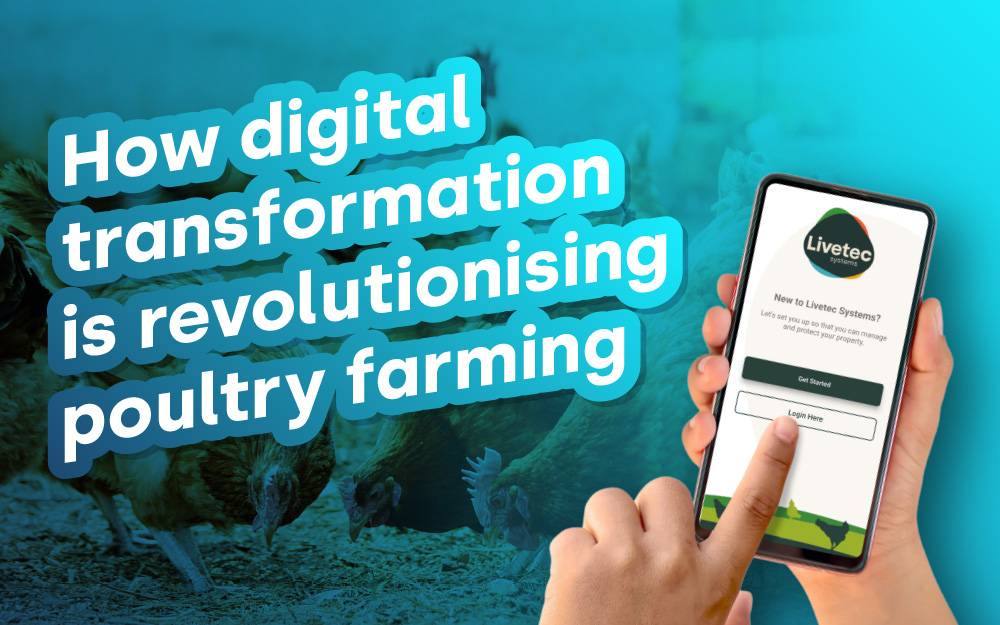
For example, Livetec’s Livestock Protect platform stores contingency plans and basic farm information, while movement tracking tools like Access Protect can be used to monitor visitor and vehicle activity across sites.
Livetec has also developed an Emergency Response Plan (ERP) tool for storing outbreak procedures, contacts and site information in one place.
“The ERP lets staff know exactly what steps to take if disease threatens,” says Mr Samet.
Training staff and occasionally running through contingency scenarios can further improve preparedness.
“Spending time walking through what would happen if AI was suspected can help ensure that everyone understands their role and the steps required,” says Mr Samet.
“When people understand the process beforehand, they will respond much more effectively.”
With avian influenza likely to remain a challenge for the sector, strong biosecurity and clear contingency planning are becoming central to building resilience on poultry farms.
Preparation may not prevent every outbreak, but it can reduce stress, enable a faster response and help farms restock sooner so their business can get up and running again, says Mr Samet.
Six top biosecurity tips
- Eliminate standing water – Standing water can act as a reservoir for disease, particularly where wild birds have access. Regularly check for puddles, blocked drains and overflowing gutters to prevent contamination being carried into sheds.
- Maintain buildings and drainage – Structural issues like damaged roofs, poor drainage or gaps around doors can allow contaminated water or debris into poultry houses. Routine maintenance is a simple but effective way to reduce risk.
- Control unit access – Limiting who enters poultry areas is critical. Ensure visitors follow strict hygiene protocols and keep accurate records of movements on and off the site.
- Keep on top of vermin control – Rodents can carry contamination between buildings and from outside areas into sheds. Effective control programmes and regular monitoring are essential.
- Protect feed, bedding and equipment – Feed stores, bedding and shared equipment can all become contaminated. Keep them covered, secure and separate from potential sources of infection.
- Make biosecurity routines practical – Procedures should be simple and easy to follow. If systems are too complicated or time-consuming, it increases the risk of human error and can compromise compliance.