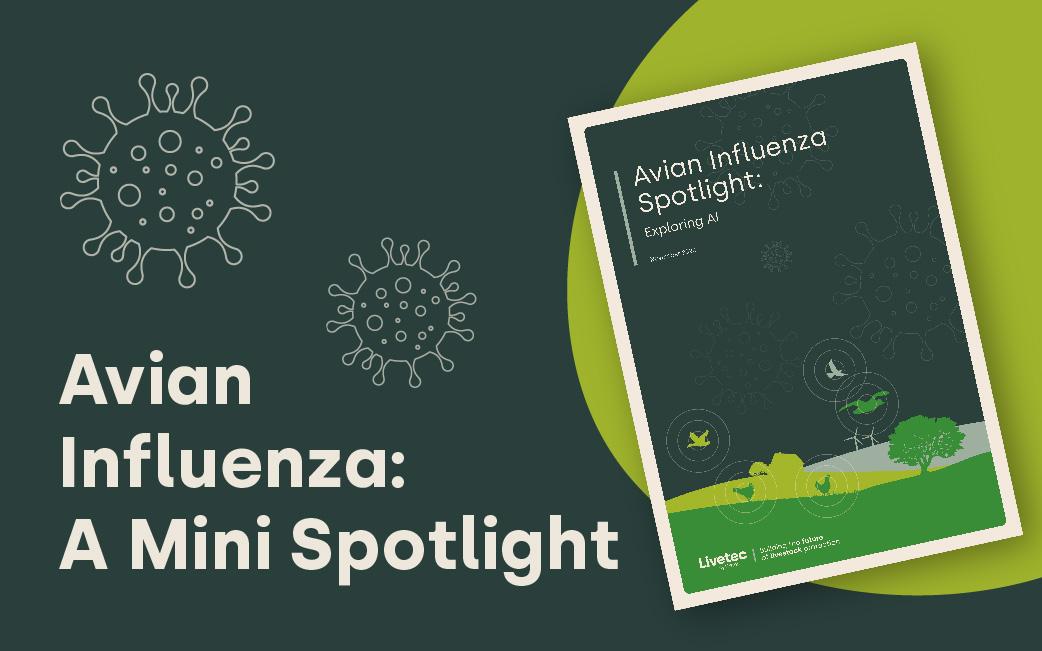
Avian influenza is no longer a seasonal challenge that poultry producers can anticipate within a predictable window. It has become a persistent and evolving threat that demands continuous vigilance, practical planning and well-trained teams. Even farms with strong infrastructure face ongoing viral pressure from wild birds, environmental contamination and human activity, making prevention a daily operational priority rather than a winter response.
This reality shaped the recent webinar, Biosecurity Now: Predicting Risk and Preventing Outbreaks, which brought together Gary Ford, Head of Strategy and Producer Engagement, BFREPA, Richard Hepple, Veterinary Epidemiology Lead APHA and from Livetec, Julian Sparrey, Group Technical Director and Dr Paul Talling, Biosecurity Advisor. The panel explored how producers can move beyond reactive disease management.
“We know the virus is now an all-year-round risk and we should never drop our guard.” – Julian Sparrey
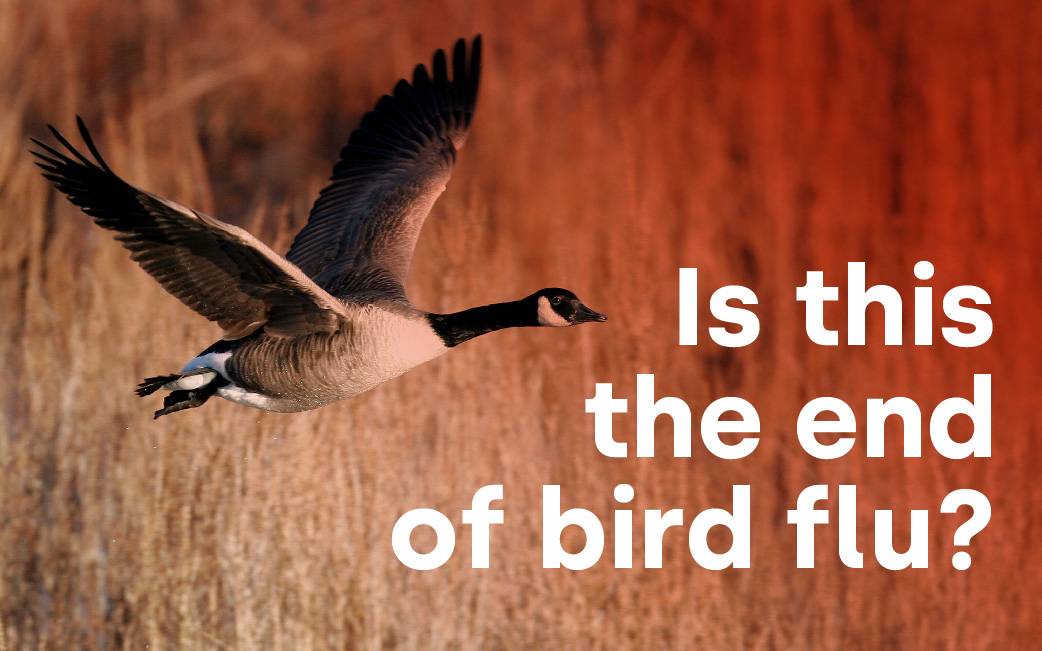
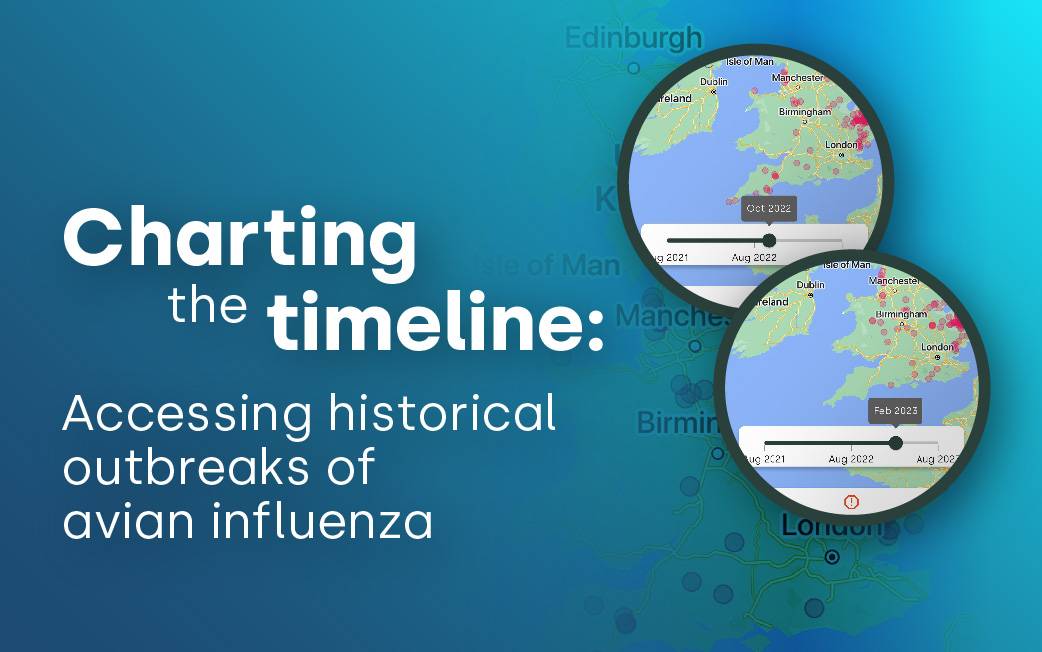
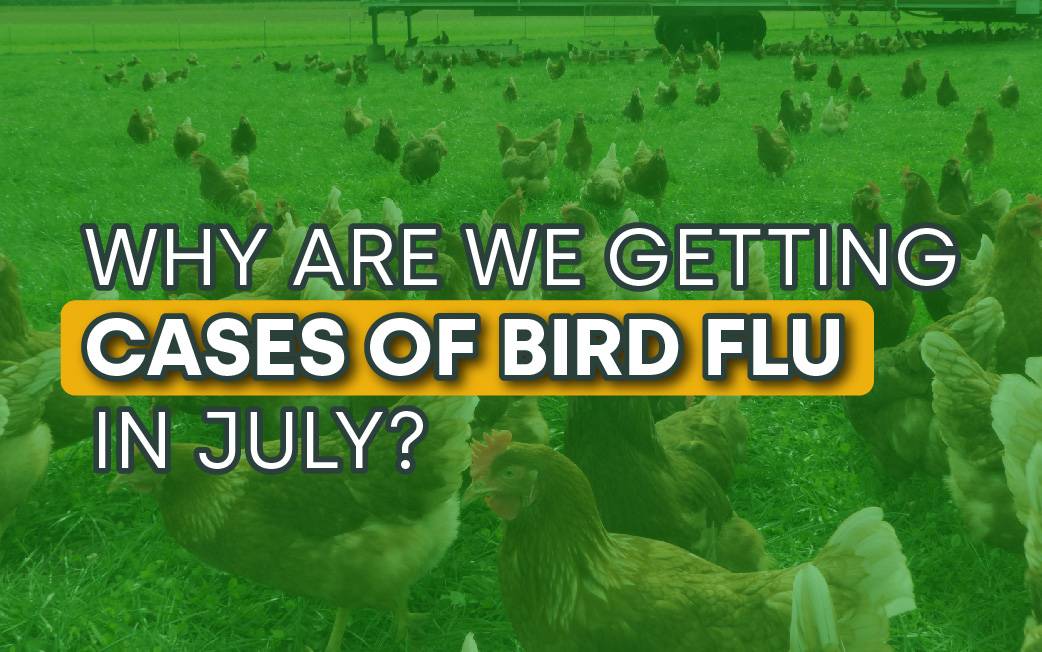
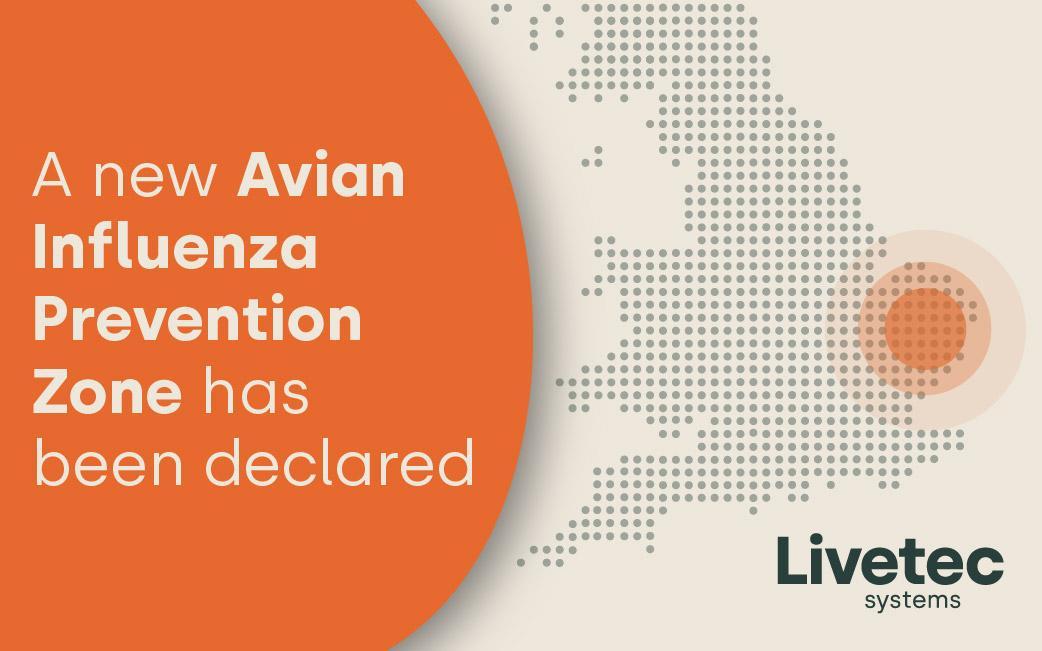
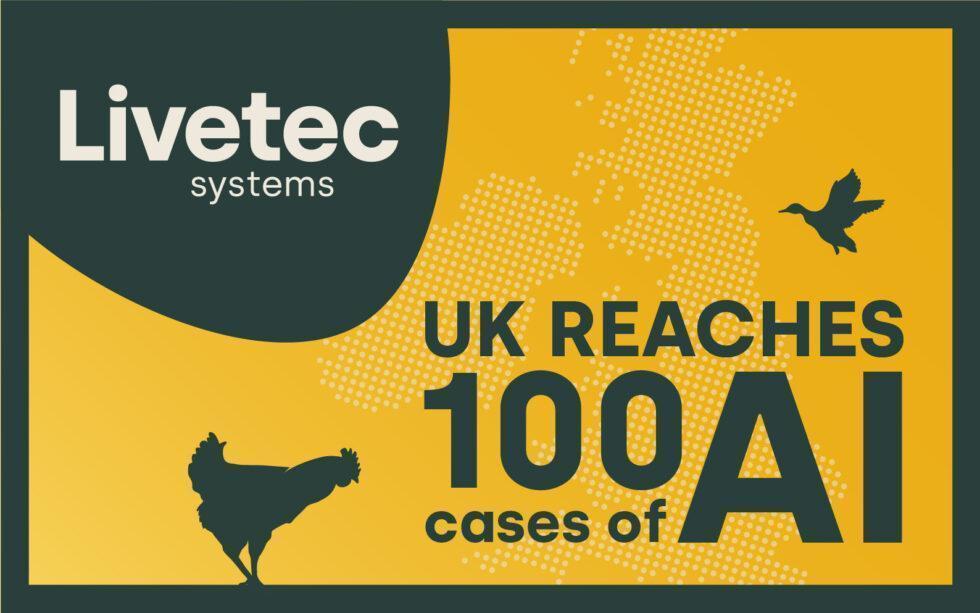
Julian presented outbreak data demonstrating the scale and persistence of the threat, highlighting more than 90 confirmed cases this season alongside continued H5N1 circulation in wild bird populations. While winter peaks still occur, seasonal predictability is weakening and summer cases are increasingly reported, reinforcing the conclusion that Avian Influenza now represents a year-round operational risk.
Gary emphasised the cultural shift taking place across the poultry sector, explaining that biosecurity is no longer viewed as a compliance exercise but as a core business discipline underpinning productivity, profitability and resilience.
“I believe the mindset shift has taken place. Producers get it now. It’s moved beyond compliance and tick box biosecurity.”
The webinar also provided practical insight into how disease reaches sheds in real world scenarios. Richard Hepple commented, “Outbreak investigations often point to indirect contact with wild birds, but closer inspection reveals the small weaknesses that allow disease through. Seeing those risks helps producers understand where action is needed.” Dr Paul reinforced this perspective from a frontline outbreak management viewpoint, noting that “In most outbreaks it is not one catastrophic failure. It is several minor gaps aligning, whether that is roof water, vermin pathways or human movement between zones.” A central theme throughout the discussion was the importance of training in translating policy into protection. Infrastructure alone cannot prevent disease if human behaviour undermines biosecurity protocols, making practical education essential for farm teams and visitors alike.
“The courses that Livetec have pulled together are an excellent resource. It really brings it to life. It’s practical, it’s engaging, and we’ve got to do all of those things if we’re going to be effective in training people that work in our sector.” – Gary Ford
Ultimately, the webinar reinforced that while producers cannot control wild bird migration or viral evolution, they can control the pathways through which infection reaches their flocks. Strengthening layered biosecurity, maintaining infrastructure and investing in training provide the most effective defence against an increasingly unpredictable disease landscape.
Protect your birds. Protect your business. Strengthen your biosecurity.