Protecting people to protect performance.
Crisis exposes more than systems, it tests people. When the worst happens, your team will look to you for stability, direction, and empathy. General Manager of Production Sam Jones summed it up perfectly during our webinar: “Your staff take their cue from you. If you stay calm, they’ll stay calm.”
- Leadership is emotional resilience
No one is immune to stress when livelihoods and animal welfare are at risk. Leaders who communicate clearly, show compassion, and set a steady tone help staff feel safe and supported, even in uncertainty.
Simple actions matter:
- Gather the team early.
- Be honest about what’s happening and what’s next.
- Delegate tasks clearly so everyone has purpose.
As Jones put it:
“The farm manager sets the mood. You can’t let frustration lead the response.”
- One Welfare: protecting birds and people together
Animal Welfare Specialist Dr Jess Martin reminded us that animal and human welfare are inseparable. “If we know we’re doing the best for the birds, we’re also protecting the humans who have to deal with the crisis.” This is the One Welfare approach, the belief that good welfare decisions protect emotional well-being too. When farm workers feel supported and trained, their actions remain calm, humane, and compliant even under pressure.
- Preparing your team before crisis hits
Resilience starts long before an outbreak:
- Train regularly: refresh staff on protocols and PPE use.
- Create buddy systems: no one should handle distressing work alone.
- Talk openly: normalise mental health check-ins during disease season.
- Empower ownership: give staff clear roles so they feel control, not chaos.
As Jess noted, “Control, even perceived control, dramatically reduces trauma.”
- Lead with empathy
After the 2001 foot-and-mouth outbreak, many responders suffered PTSD from animal losses. That legacy teaches us that kind leadership is not optional; it’s essential. Encourage rest breaks, rotate tasks, and remind your team that their welfare matters as much as the flock’s.
- The takeaway
Preparedness builds plans.
Leadership builds people.
Together, they define how a business weathers the storm.
Take Action
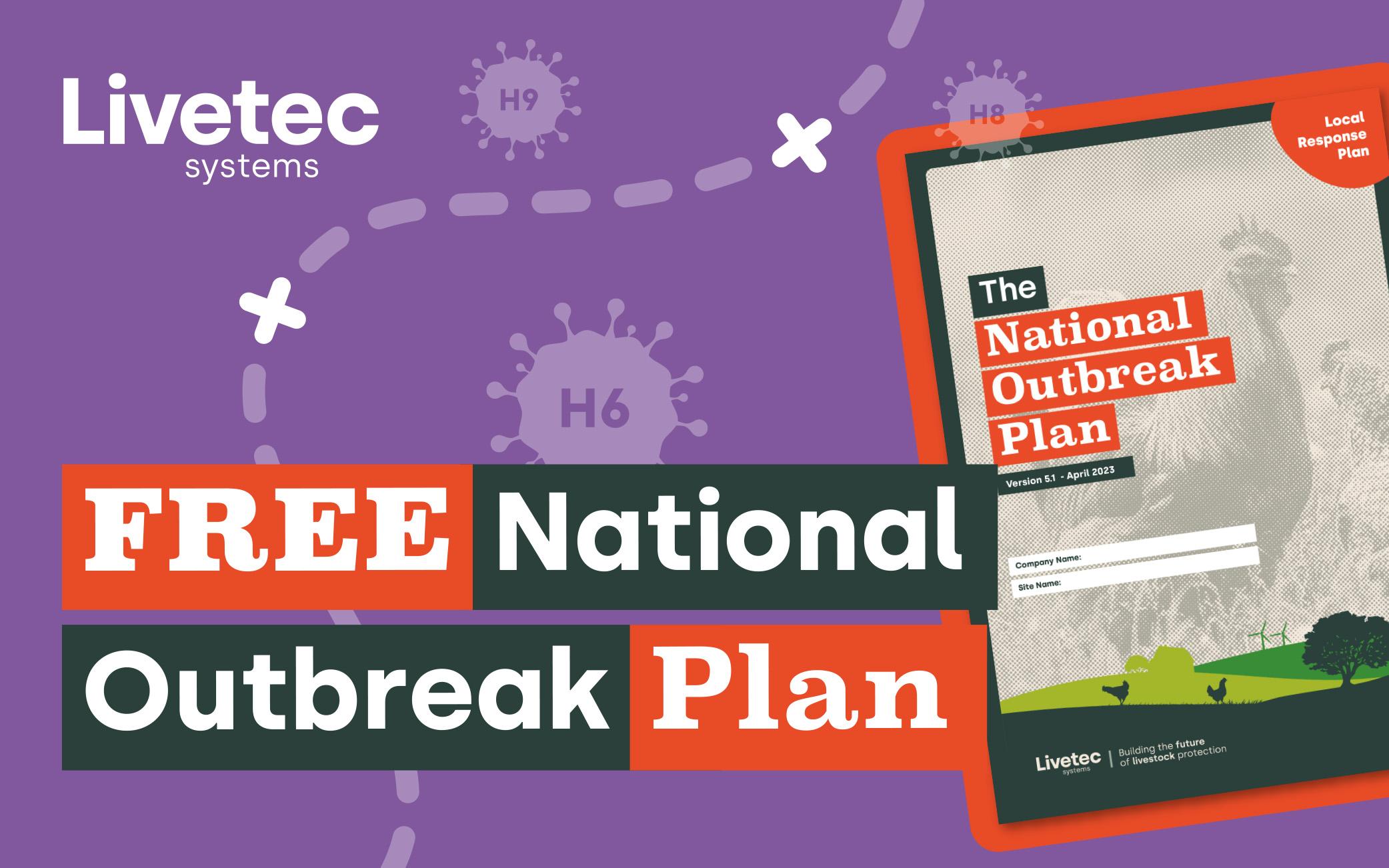
With an Emergency Response Plan in place you will know how to react, who to contact and what actions to take from the moment an issue occurs, or a disease is suspected. You’ll start your business’s recovery from day 1: getting you back to normal operations faster.